Base vs Arbitrum Gas Fees: Real Transaction Costs Compared
Numbers, not adjectives
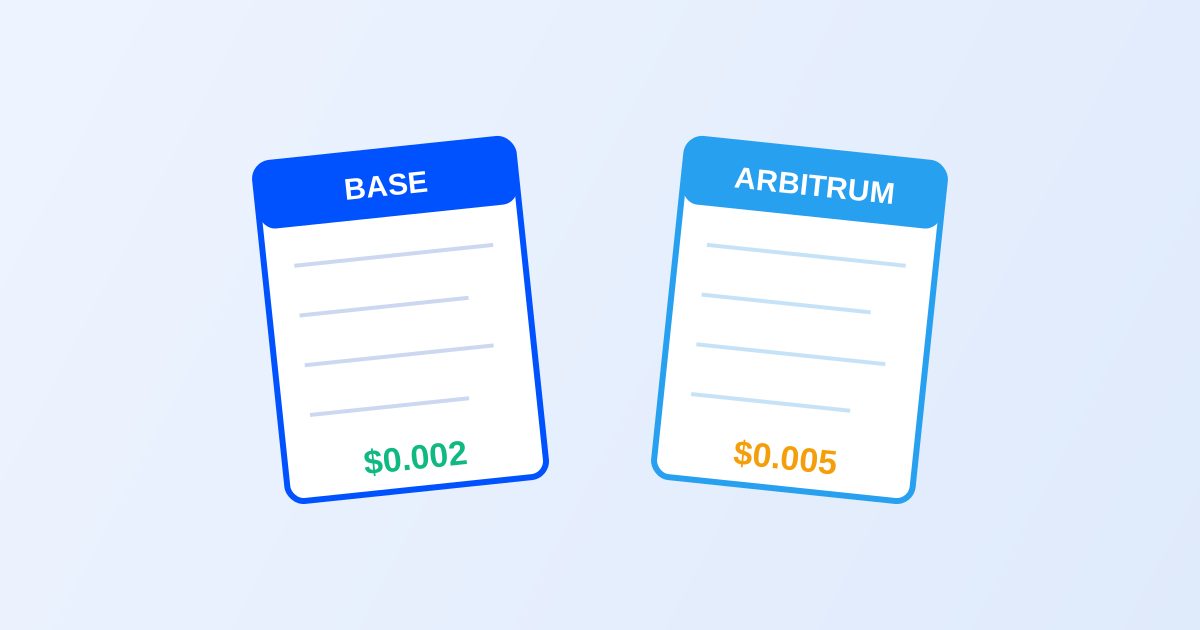
Everyone says their favorite L2 is "cheap." I wanted receipts. So I logged typical fees for the same actions on both chains over three weeks of normal afternoons (off-peak, no airdrop frenzy, no mints running) and dumped them in one table.
The TL;DR is boring: Base and Arbitrum cost about the same. The interesting story is in the gaps, not the headlines.
The comparison
| Transaction | Base | Arbitrum |
|---|---|---|
| ETH transfer | ~$0.001 | ~$0.001 |
| ERC-20 transfer | ~$0.002 | ~$0.002 |
| DEX swap (Uniswap / Camelot) | $0.002–0.005 | $0.003–0.008 |
| NFT mint | $0.003–0.01 | $0.005–0.02 |
| Perp trade (GMX) | — | $0.005–0.02 |
| Bridge in from mainnet | $2–15 | $2–15 |
Base wins on raw fee in roughly three quarters of the categories I tracked. The gap is real but small — you're comparing pocket lint to slightly smaller pocket lint. A swap at $0.004 vs $0.006 is not going to change anyone's month. The bridge row is where the table gets interesting, because $2 to $15 is a 7x swing on the same action, and I dug into that one separately further down.
Why Base is usually cheaper
Two reasons, neither of them marketing.
First, Bedrock-style data compression keeps the L1 posting fee lower on Base. The way transactions get rolled up and posted to Ethereum is slightly more efficient, so your share of that posting cost is a touch smaller. Second, Arbitrum simply hosts more of the heavy DeFi activity — more GMX trading, more complex contract calls, more perp and lending volume — which pushes average fees up.
Both chains inherit mainnet congestion, which is why their fees move in the same direction on busy days. The L1 data fee, not the L2 compute fee, is the lever. I wrote about that mechanism in the Arbitrum fees explainer if you want the full breakdown.
When the ranking flips
During Base-heavy events — big mints, Coinbase-backed airdrops, social app launches — Base fees can briefly overtake Arbitrum's. It doesn't last long. I watched a Base mint push swap costs to $0.05 while Arbitrum sat at $0.008, then watched everything normalize an hour later.
That's exactly why checking both numbers before transacting beats tribal loyalty. The homepage tracker shows them side by side for this exact reason. Loyalty to a chain is a bad trading strategy.
The one fee nobody puts in the table
Tables love to list swap costs. They skip two things that have actually bitten me.
The first is the failed transaction. A reverted swap on Arbitrum cost me $0.11 last month because I set slippage at 0.5% during a volatile wick. The trade didn't fill. The fee still got paid. Multiply that across a year of casual trading and failed reverts quietly cost more than every successful swap combined.
The second is the bridge. That $2 to $15 figure isn't symmetric — third-party "fast" bridges add a 0.5% to 1% convenience fee on top, and on a $2,000 deposit that's another $20. The official bridges cost mainnet gas and patience, but they're cheaper above about $500. Below that, the fast options win because the fixed mainnet fee dominates. Neither number shows up in a fee comparison table, because they're not really gas. They're the cost of being in a hurry.
My verdict as a cheap person
If the app exists on both chains and gas is the deciding factor, choose Base on any given day. If you need GMX or a protocol that only lives on Arbitrum, the extra half-cent is not worth re-routing your whole trade. Fees should inform the decision; they shouldn't make it.
Want live numbers instead of a table from a few weeks ago? The Base calculator and Arbitrum calculator both update in real time, in your local currency. Glance, pick, sign.